
-
Why USCCG

Why USCCG
We deliver measurable financial results. We work inside real production environments, not conference rooms, building stronger management operating systems that drive sustained output, cost control & accountability We combine rapid diagnostic work with hands-on implementation to improve how your operation plans, executes & follows up every day.
 Join a team that works shoulder-to-shoulder with operators and executives to solve real operational challenges on the ground.We’re Ready to ListenGot a business problem and want to kick around some ideas to solve it?
-
What We Improve
What We Improve
We improve output, reliability, quality, cost, and execution discipline. Our work strengthens the Management Operating System — the daily routines and controls that drive results. Every engagement delivers measurable financial impact. Prepare teams, systems & leadership routines to execute major outages, restarts & transitions with control.
 Reduce downtime & stabilize performance by improving planning, preventive maintenance & follow-up discipline.
 Improve material flow, inventory visibility, and supplier performance to reduce delays and strengthen operational continuity.
-
Industries
Industries
We work with production-driven organizations that make, move or maintain physical products. In complex operations, throughput, uptime & cost control directly impact financial performance. While industries differ, disciplined execution & strong management systems are universal. Improve throughput, equipment reliability & cost control in high-variability, asset-intensive environments.
 Increase output, stabilize processes & improve supervisory follow-up across discrete & process manufacturing.
 Accelerate value creation by stabilizing operations, improving EBITDA drivers & building sustainable leadership systems.
 Strengthen line performance, quality control & production scheduling in fast-moving consumer operations.
-
Insights
Insights
Our insights reflect decades of on-the-ground operational work. We share practical perspectives on management operating systems, execution discipline, reliability, and productivity improvement. Every article is rooted in real-world application, not theory.Featured insightStrategies for Meeting Increasing Customer DemandIf you have noticed or, in many cases, been run over by dramatically increasing customer demand for your products, you’re not alone.


-
Why USCCG
Why USCCG
We deliver measurable financial results. We work inside real production environments, not conference rooms, building stronger management operating systems that drive sustained output, cost control & accountability
We combine rapid diagnostic work with hands-on implementation to improve how your operation plans, executes & follows up every day.
Join a team that works shoulder-to-shoulder with operators and executives to solve real operational challenges on the ground.We’re Ready to ListenGot a business problem and want to kick around some ideas to solve it? -
What We Improve
What We Improve
We improve output, reliability, quality, cost, and execution discipline. Our work strengthens the Management Operating System — the daily routines and controls that drive results. Every engagement delivers measurable financial impact.
Prepare teams, systems & leadership routines to execute major outages, restarts & transitions with control.
Reduce downtime & stabilize performance by improving planning, preventive maintenance & follow-up discipline.
Improve material flow, inventory visibility, and supplier performance to reduce delays and strengthen operational continuity. -
Industries
Industries
We work with production-driven organizations that make, move or maintain physical products. In complex operations, throughput, uptime & cost control directly impact financial performance. While industries differ, disciplined execution & strong management systems are universal.
Improve throughput, equipment reliability & cost control in high-variability, asset-intensive environments.
Increase output, stabilize processes & improve supervisory follow-up across discrete & process manufacturing.
Accelerate value creation by stabilizing operations, improving EBITDA drivers & building sustainable leadership systems.
Strengthen line performance, quality control & production scheduling in fast-moving consumer operations. -
Insights
Insights
Our insights reflect decades of on-the-ground operational work. We share practical perspectives on management operating systems, execution discipline, reliability, and productivity improvement. Every article is rooted in real-world application, not theory.Featured insightStrategies for Meeting Increasing Customer DemandIf you have noticed or, in many cases, been run over by dramatically increasing customer demand for your products, you’re not alone.
The Client
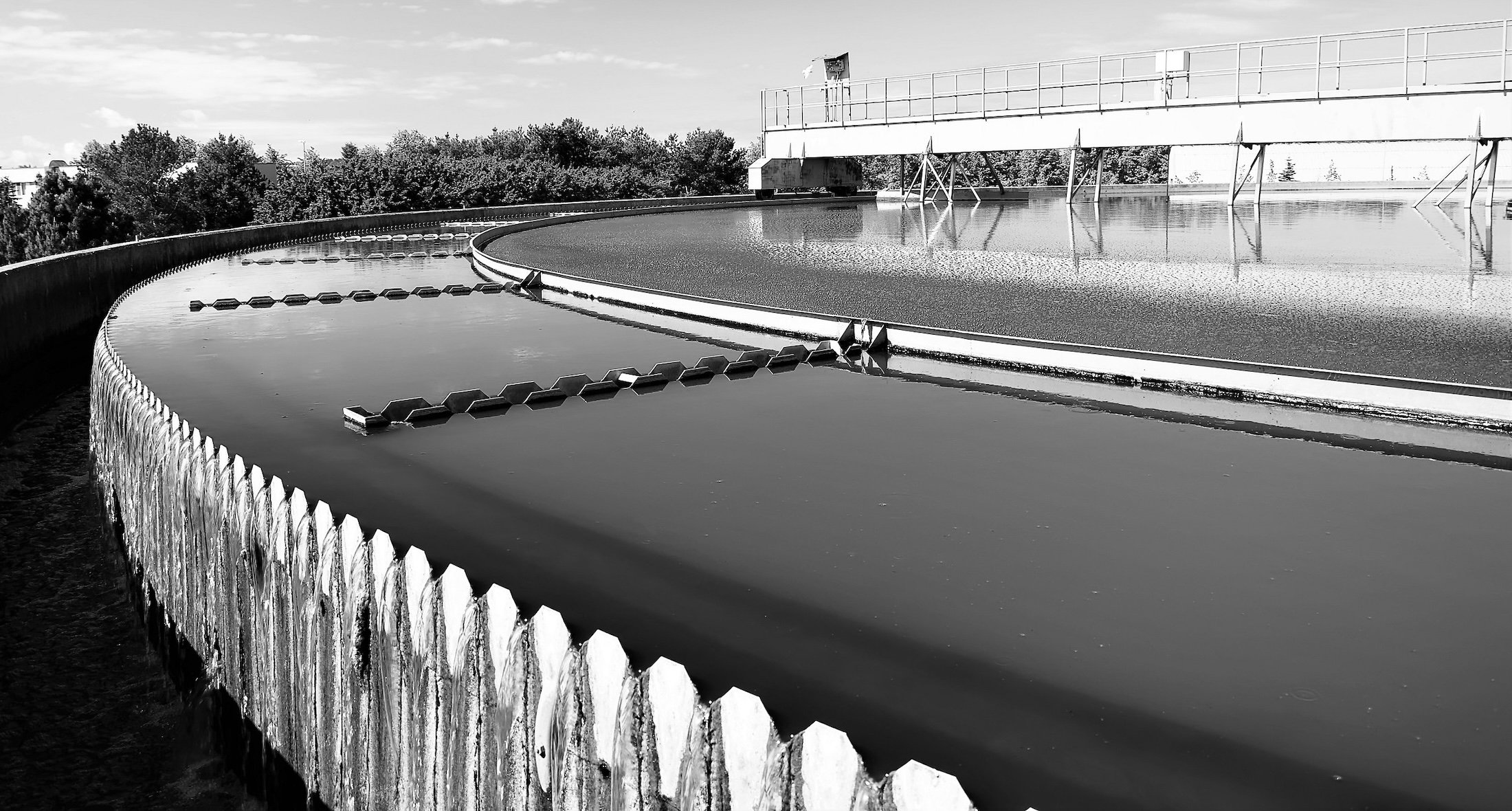
A nationwide provider of wastewater treatment services was struggling to meet the year-end goals of a municipal contract. USC Consulting Group worked with them to realign their processes with smarter scheduling and planning methodologies, helping them to avoid costly fines.
The Challenge
As part of its water treatment service offering to a major Midwestern city, our client was responsible for thoroughly cleaning and maintaining sewer lines across the region. In the company’s contract with the regional utility, the company must maintain (clean, inspect, test, and repair) more than 2.6 million feet of sewage pipe annually, revisiting locations on a specific frequency to ensure optimum performance.
However, in the 4th quarter of 2015, the company had fallen significantly behind. Although already 75% through the year, they had not yet reached 60% of their contracted footage. Management and work crews needed to boost their efficiency quickly and effectively but, as a similar shortfall in 2014 indicated, were in need of some highly focused help to zero in on which of their processes were holding them back and how to prioritize a strategy for recovery.


Conclusion
During the first three quarters of 2015 our client serviced an average of approximately 13,000 feet of pipe weekly which equated to about 700 feet of pipe, per truck, per day.
After implementing our recommended changes to scheduling and capacity management, they have been able to average more than 65,000 feet of pipe per week or 1,800 feet per truck per day, an increase of over 250%!
The company was able to overcome its deficit and reach its annual footage goal before Christmas 2015, and now has a solid process and a plan in place to not only achieve its 2016 goals, but to do so at a reduced cost and with less reliance on sub-contracted services.
USCCG At Work:
Featured Client Results
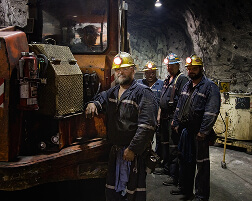
Mining & Metal Worked
Alongside Underground Mine Team To Close a 60,000-Ton Shortfall
- Attainment to plan improved 13%
- Overall tons milled increased 4%
- Output increased 22%
- Cost per ounce reduced 19.2
USCCG worked alongside mine management and frontline teams to implement a closed-loop management operating system, upgrade short-term planning, and rebuild supervisor accountability. Together, we delivered sustained performance gains with zero capital investment.

Food and Beverage
Collaborated With Poultry Processor To Boost Yield And ReducesLabor Cost
- Departmental yield improved 6.1%
- Labor cost per pound reduced 35% in the cook plant pilot
Our team focused on workflow execution and frontline engagement to deliver measurable financial and operational gains for the client.
Manufacturing
Partnered With Steel Mill To Drive Operational Improvements
- Backlog reduced 45%
- In-process inventory reduced 40%
- Throughput increased 7% across operations
USCCG worked directly with plant leadership and operations teams to stabilize operating discipline and increase output without new capital investment.