-
Why USCCG

Why USCCG
We deliver measurable financial results. We work inside real production environments, not conference rooms, building stronger management operating systems that drive sustained output, cost control & accountability We combine rapid diagnostic work with hands-on implementation to improve how your operation plans, executes & follows up every day.
 Join a team that works shoulder-to-shoulder with operators and executives to solve real operational challenges on the ground.We’re Ready to ListenGot a business problem and want to kick around some ideas to solve it?
-
What We Improve
What We Improve
We improve output, reliability, quality, cost, and execution discipline. Our work strengthens the Management Operating System — the daily routines and controls that drive results. Every engagement delivers measurable financial impact. Prepare teams, systems & leadership routines to execute major outages, restarts & transitions with control.
 Reduce downtime & stabilize performance by improving planning, preventive maintenance & follow-up discipline.
 Improve material flow, inventory visibility, and supplier performance to reduce delays and strengthen operational continuity.
-
Industries
Industries
We work with production-driven organizations that make, move or maintain physical products. In complex operations, throughput, uptime & cost control directly impact financial performance. While industries differ, disciplined execution & strong management systems are universal. Improve throughput, equipment reliability & cost control in high-variability, asset-intensive environments.
 Increase output, stabilize processes & improve supervisory follow-up across discrete & process manufacturing.
 Accelerate value creation by stabilizing operations, improving EBITDA drivers & building sustainable leadership systems.
 Strengthen line performance, quality control & production scheduling in fast-moving consumer operations.
-
Insights
Insights
Our insights reflect decades of on-the-ground operational work. We share practical perspectives on management operating systems, execution discipline, reliability, and productivity improvement. Every article is rooted in real-world application, not theory.Featured insightStrategies for Meeting Increasing Customer DemandIf you have noticed or, in many cases, been run over by dramatically increasing customer demand for your products, you’re not alone.


-
Why USCCG
Why USCCG
We deliver measurable financial results. We work inside real production environments, not conference rooms, building stronger management operating systems that drive sustained output, cost control & accountability
We combine rapid diagnostic work with hands-on implementation to improve how your operation plans, executes & follows up every day.
Join a team that works shoulder-to-shoulder with operators and executives to solve real operational challenges on the ground.We’re Ready to ListenGot a business problem and want to kick around some ideas to solve it? -
What We Improve
What We Improve
We improve output, reliability, quality, cost, and execution discipline. Our work strengthens the Management Operating System — the daily routines and controls that drive results. Every engagement delivers measurable financial impact.
Prepare teams, systems & leadership routines to execute major outages, restarts & transitions with control.
Reduce downtime & stabilize performance by improving planning, preventive maintenance & follow-up discipline.
Improve material flow, inventory visibility, and supplier performance to reduce delays and strengthen operational continuity. -
Industries
Industries
We work with production-driven organizations that make, move or maintain physical products. In complex operations, throughput, uptime & cost control directly impact financial performance. While industries differ, disciplined execution & strong management systems are universal.
Improve throughput, equipment reliability & cost control in high-variability, asset-intensive environments.
Increase output, stabilize processes & improve supervisory follow-up across discrete & process manufacturing.
Accelerate value creation by stabilizing operations, improving EBITDA drivers & building sustainable leadership systems.
Strengthen line performance, quality control & production scheduling in fast-moving consumer operations. -
Insights
Insights
Our insights reflect decades of on-the-ground operational work. We share practical perspectives on management operating systems, execution discipline, reliability, and productivity improvement. Every article is rooted in real-world application, not theory.Featured insightStrategies for Meeting Increasing Customer DemandIf you have noticed or, in many cases, been run over by dramatically increasing customer demand for your products, you’re not alone.
The Client
A 100-year-old, fully integrated producer of sheet and plate steel
The Challenge
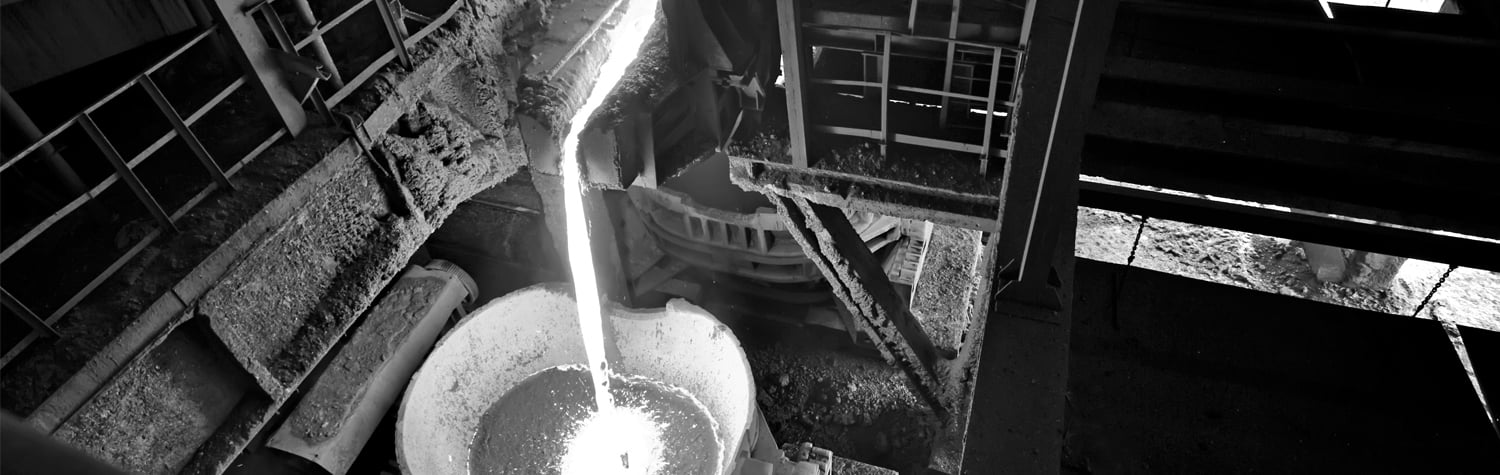
The company had just emerged from bankruptcy. The new management wanted to take advantage of improving steel markets propelled by foreign demand. To succeed, the steel mill needed to revise its production strategy.


Conclusion
The new strategy increased steel production through the DSPC, yielding higher revenues by creating more saleable product — an increase of 169 million tons. In addition, a cross-training initiative resulted in some job consolidations, reducing the necessary crew size in the plate and strip mill complex. Finally, better utilization of equipment such as heavy lift trucks, slag pots and haulers saved considerable capital, along with cost-effective storage and delivery of iron ore pellets and refractory material.
“When all is said and done, the value of the improvements should total approximately $35 million,” noted the CEO at the end of our engagement. “More importantly, the mill will be more competitive, its customers more satisfied and its future prospects, including those of its union owners, brighter than ever before.”
USCCG At Work:
Featured Client Results

A Gold Mine Digs Deeper to Sustain Continuous Improvements