-
Why USCCG

Why USCCG
We deliver measurable financial results. We work inside real production environments, not conference rooms, building stronger management operating systems that drive sustained output, cost control & accountability We combine rapid diagnostic work with hands-on implementation to improve how your operation plans, executes & follows up every day.
 Join a team that works shoulder-to-shoulder with operators and executives to solve real operational challenges on the ground.We’re Ready to ListenGot a business problem and want to kick around some ideas to solve it?
-
What We Improve
What We Improve
We improve output, reliability, quality, cost, and execution discipline. Our work strengthens the Management Operating System — the daily routines and controls that drive results. Every engagement delivers measurable financial impact. Prepare teams, systems & leadership routines to execute major outages, restarts & transitions with control.
 Reduce downtime & stabilize performance by improving planning, preventive maintenance & follow-up discipline.
 Improve material flow, inventory visibility, and supplier performance to reduce delays and strengthen operational continuity.
-
Industries
Industries
We work with production-driven organizations that make, move or maintain physical products. In complex operations, throughput, uptime & cost control directly impact financial performance. While industries differ, disciplined execution & strong management systems are universal. Improve throughput, equipment reliability & cost control in high-variability, asset-intensive environments.
 Increase output, stabilize processes & improve supervisory follow-up across discrete & process manufacturing.
 Accelerate value creation by stabilizing operations, improving EBITDA drivers & building sustainable leadership systems.
 Strengthen line performance, quality control & production scheduling in fast-moving consumer operations.
-
Insights
Insights
Our insights reflect decades of on-the-ground operational work. We share practical perspectives on management operating systems, execution discipline, reliability, and productivity improvement. Every article is rooted in real-world application, not theory.Featured insightStrategies for Meeting Increasing Customer DemandIf you have noticed or, in many cases, been run over by dramatically increasing customer demand for your products, you’re not alone.


-
Why USCCG
Why USCCG
We deliver measurable financial results. We work inside real production environments, not conference rooms, building stronger management operating systems that drive sustained output, cost control & accountability
We combine rapid diagnostic work with hands-on implementation to improve how your operation plans, executes & follows up every day.
Join a team that works shoulder-to-shoulder with operators and executives to solve real operational challenges on the ground.We’re Ready to ListenGot a business problem and want to kick around some ideas to solve it? -
What We Improve
What We Improve
We improve output, reliability, quality, cost, and execution discipline. Our work strengthens the Management Operating System — the daily routines and controls that drive results. Every engagement delivers measurable financial impact.
Prepare teams, systems & leadership routines to execute major outages, restarts & transitions with control.
Reduce downtime & stabilize performance by improving planning, preventive maintenance & follow-up discipline.
Improve material flow, inventory visibility, and supplier performance to reduce delays and strengthen operational continuity. -
Industries
Industries
We work with production-driven organizations that make, move or maintain physical products. In complex operations, throughput, uptime & cost control directly impact financial performance. While industries differ, disciplined execution & strong management systems are universal.
Improve throughput, equipment reliability & cost control in high-variability, asset-intensive environments.
Increase output, stabilize processes & improve supervisory follow-up across discrete & process manufacturing.
Accelerate value creation by stabilizing operations, improving EBITDA drivers & building sustainable leadership systems.
Strengthen line performance, quality control & production scheduling in fast-moving consumer operations. -
Insights
Insights
Our insights reflect decades of on-the-ground operational work. We share practical perspectives on management operating systems, execution discipline, reliability, and productivity improvement. Every article is rooted in real-world application, not theory.Featured insightStrategies for Meeting Increasing Customer DemandIf you have noticed or, in many cases, been run over by dramatically increasing customer demand for your products, you’re not alone.
The Client
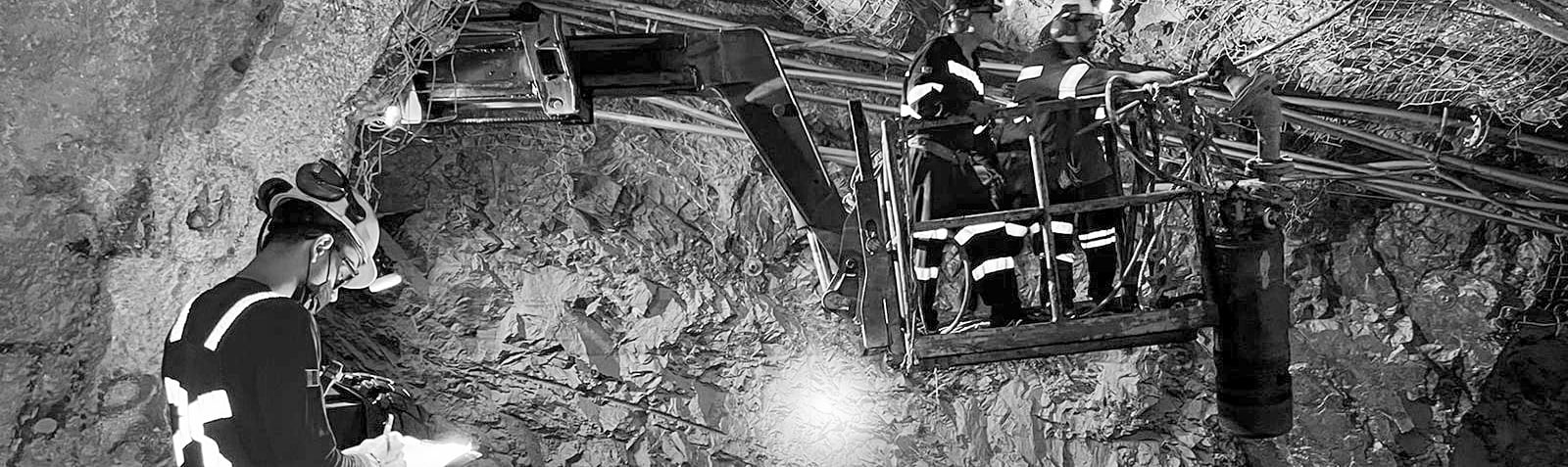
A North American mining company with four silver and gold mines in Mexico that strives to be the world’s largest primary silver producer.
The Challenge
USC had recently completed a successful project with the client involving their underground mobile maintenance fleets, with substantial results on improving equipment availability. That’s when they came to us with a different challenge at another of their mines. Here are a few of the challenges we experienced.
A switch in mining operations to another underground mining cite that was not producing the expected results. The company had been working this mine for many decades with cut-and-fill mining techniques. A mine can only support that type of operation for so long. It was an older technique and posed hazards and safety concerns, but in addition, it was also about the life of the mine. How much longer could they expect to extract silver using these old techniques? They decided to switch to a newer mining process — long-hole drilling. It is a technique that is commonly used in Canada, but not in this part of the world, so they brought in some experts to help. Initially, they saw good results, but soon those results diminished. They had benchmarked with other mines and were not hitting those numbers consistently. So they asked us to come in and help.
Tensions between the longtime employees and the new experts in long-hole drilling. This mine has 30-year veteran employees who had known only the cut-and-fill system. Clashes between the old and new guards occurred.
Skeptical attitudes. We were brought in because we had achieved great success at their other location, with a different challenge. But the mine foremen and employees were skeptical of us because they had already tried long-hole drilling with their “experts,” and it did not produce the desired results. There was an attitude of “We’ve already tried this. It doesn’t work. What are you going to do differently?”
Strong employee union and other non-management variables. The union put a cap on how much the miners were supposed to be doing every day — 85 meters per shift. But the numbers we needed to hit were much higher. The union would step in and say the drillers simply weren’t going to drill after getting to 85 meters. Sometimes, employees would strike because they said the conditions weren’t safe. Other times, the landowners’ association would shut down the mine for a day or even a weeks’ time.


Conclusion
The project schedule was set for 28 weeks. We ended in 25. And we hit historic numbers in terms of the meters the crews drilled each day.
“It got to the point that we did such a good job, we created a new bottleneck, which was development,” said Chase Ryan, Project Manager. “They had no way to remove the material and keep up with the dropped tons per day.”
- 47% improvement in daily production meters drilled
- 20% improvement in daily production meters drilled per drill
- 38% improvement in LH development meters drilled per day
“It has been a very positive change for us in the long-hole. The use of the tools that have been implemented has given us better visibility of what’s going on during our shifts as well as planning for our next shifts… It has permitted us to be more visual and understand better what our challenges are and in the end be more productive.” – Mine Manager
USCCG At Work:
Featured Client Results
Intermediate gold producer finds mother lode in operational improvements