-
Why USCCG

Why USCCG
We deliver measurable financial results. We work inside real production environments, not conference rooms, building stronger management operating systems that drive sustained output, cost control & accountability We combine rapid diagnostic work with hands-on implementation to improve how your operation plans, executes & follows up every day.
 Join a team that works shoulder-to-shoulder with operators and executives to solve real operational challenges on the ground.We’re Ready to ListenGot a business problem and want to kick around some ideas to solve it?
-
What We Improve
What We Improve
We improve output, reliability, quality, cost, and execution discipline. Our work strengthens the Management Operating System — the daily routines and controls that drive results. Every engagement delivers measurable financial impact. Prepare teams, systems & leadership routines to execute major outages, restarts & transitions with control.
 Reduce downtime & stabilize performance by improving planning, preventive maintenance & follow-up discipline.
 Improve material flow, inventory visibility, and supplier performance to reduce delays and strengthen operational continuity.
-
Industries
Industries
We work with production-driven organizations that make, move or maintain physical products. In complex operations, throughput, uptime & cost control directly impact financial performance. While industries differ, disciplined execution & strong management systems are universal. Improve throughput, equipment reliability & cost control in high-variability, asset-intensive environments.
 Increase output, stabilize processes & improve supervisory follow-up across discrete & process manufacturing.
 Accelerate value creation by stabilizing operations, improving EBITDA drivers & building sustainable leadership systems.
 Strengthen line performance, quality control & production scheduling in fast-moving consumer operations.
-
Insights
Insights
Our insights reflect decades of on-the-ground operational work. We share practical perspectives on management operating systems, execution discipline, reliability, and productivity improvement. Every article is rooted in real-world application, not theory.Featured insightStrategies for Meeting Increasing Customer DemandIf you have noticed or, in many cases, been run over by dramatically increasing customer demand for your products, you’re not alone.


-
Why USCCG
Why USCCG
We deliver measurable financial results. We work inside real production environments, not conference rooms, building stronger management operating systems that drive sustained output, cost control & accountability
We combine rapid diagnostic work with hands-on implementation to improve how your operation plans, executes & follows up every day.
Join a team that works shoulder-to-shoulder with operators and executives to solve real operational challenges on the ground.We’re Ready to ListenGot a business problem and want to kick around some ideas to solve it? -
What We Improve
What We Improve
We improve output, reliability, quality, cost, and execution discipline. Our work strengthens the Management Operating System — the daily routines and controls that drive results. Every engagement delivers measurable financial impact.
Prepare teams, systems & leadership routines to execute major outages, restarts & transitions with control.
Reduce downtime & stabilize performance by improving planning, preventive maintenance & follow-up discipline.
Improve material flow, inventory visibility, and supplier performance to reduce delays and strengthen operational continuity. -
Industries
Industries
We work with production-driven organizations that make, move or maintain physical products. In complex operations, throughput, uptime & cost control directly impact financial performance. While industries differ, disciplined execution & strong management systems are universal.
Improve throughput, equipment reliability & cost control in high-variability, asset-intensive environments.
Increase output, stabilize processes & improve supervisory follow-up across discrete & process manufacturing.
Accelerate value creation by stabilizing operations, improving EBITDA drivers & building sustainable leadership systems.
Strengthen line performance, quality control & production scheduling in fast-moving consumer operations. -
Insights
Insights
Our insights reflect decades of on-the-ground operational work. We share practical perspectives on management operating systems, execution discipline, reliability, and productivity improvement. Every article is rooted in real-world application, not theory.Featured insightStrategies for Meeting Increasing Customer DemandIf you have noticed or, in many cases, been run over by dramatically increasing customer demand for your products, you’re not alone.
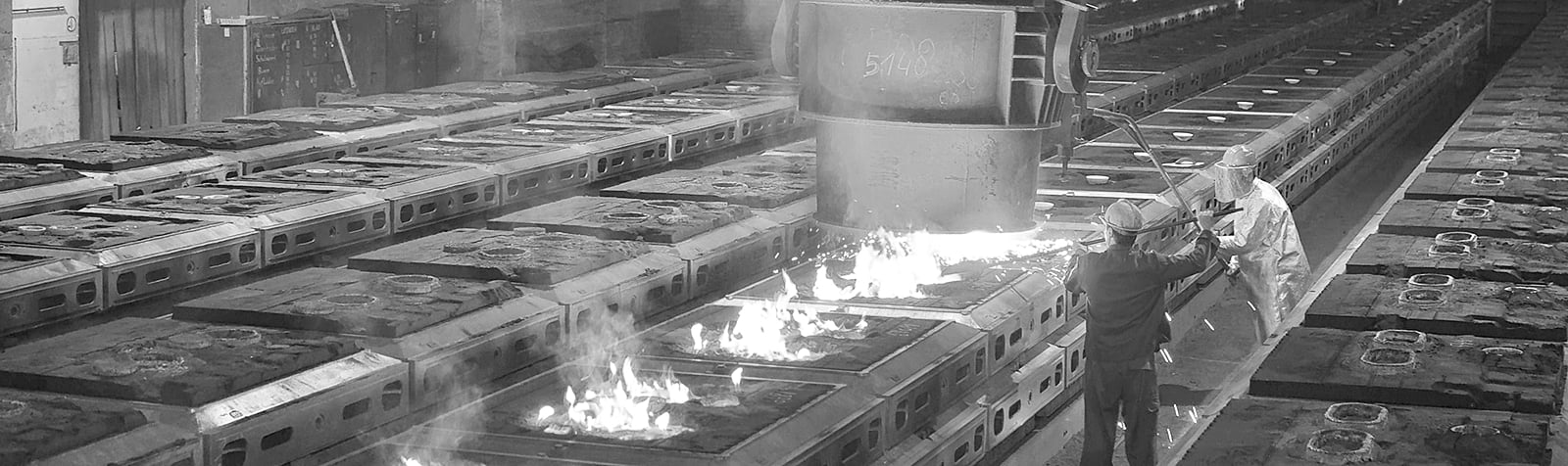
The Client
A large, international metals processor located in the eastern United States.
The Challenge
This was a classic example of why many clients hire outside consultants. It was a case of a client having a need — the development and implementation of standardized training procedures at a new facility — and not having the capacity or expertise on staff to get the job done. But, as it happens with many projects, it wasn’t that simple. Some challenges included:
Training in a new facility. The company had hired a training manager who developed and implemented training in one facility. They wanted a similar process installed at a new facility, baselining the competence of operations at eight workstations, but lacked the capacity to do it. Because it was a new facility…
…They didn’t know what they didn’t know. The training process needed to involve standard operating procedures, but because the facility was new, that proved to be a challenge. The company tried to leverage experience from other plants, but because the site was new, they did not already have well documented processes. Moreover, only one of their plants had a formal training program.
Loss of institutional knowledge. Turnover. The Great Resignation. Seasoned employees retiring. It means a loss of institutional knowledge gained through years on the job. It’s a blow to a company in many ways, but most of all in training. Many manufacturers train new people by having them work on the line with their best, seasoned employees … who are retiring or otherwise leaving the workforce and taking that knowledge with them. According to the Association of Equipment Manufacturers, the lack of knowledge transfer when an experienced worker retires can cost individual companies $47 million per year. That’s why SOPs are so necessary. Documented standard operating procedures preserve that institutional knowledge.
USC would be responsible for:
- Development of SOPs within an agreed-upon set of work centers
- A defined training program schedule
- Training the company in the training USC developed, setting them up for success post-USC involvement
Key deliverables included:
- Identification of mature processes ready for standardized documentation and training development
- Analysis of inconsistent processes that need redesign before standardized documentation and training development
- Identification of training management and tracking opportunities
- Detailed timeline for SOP development, training development, and initiation of training implementation
- Employee engagement opportunities
- Leadership development opportunities


Conclusion
USC worked side-by-side with the client to develop a closed-loop process that documents and updates SOPs, builds a time-based training program, tracks and reports on that training, develops leaders and is dependent on employee involvement that when implemented properly improves employee retention by way of effective management and leadership.
Some of the tangible results and benefits the client has seen:
- Increased safety because all employees are following the correct SOPs and safety procedures
- Boost in yield and quality
- Preserved institutional knowledge by developing and documenting SOPs
- Increased employee retention
Through standardizing operating procedures and ensuring all employees across the plant are being trained in the same way, the client increased safety and retention, saw an increased yield and quality of output, identified this training program as an opportunity for implementation across the rest of their plants, and in the process, made their customers happier.
USCCG At Work:
Featured Client Results

Metal Fabricator Revises Training and Process Standardization to Improve Quality