-
Why USCCG

Why USCCG
We deliver measurable financial results. We work inside real production environments, not conference rooms, building stronger management operating systems that drive sustained output, cost control & accountability We combine rapid diagnostic work with hands-on implementation to improve how your operation plans, executes & follows up every day.
 Join a team that works shoulder-to-shoulder with operators and executives to solve real operational challenges on the ground.We’re Ready to ListenGot a business problem and want to kick around some ideas to solve it?
-
What We Improve
What We Improve
We improve output, reliability, quality, cost, and execution discipline. Our work strengthens the Management Operating System — the daily routines and controls that drive results. Every engagement delivers measurable financial impact. Prepare teams, systems & leadership routines to execute major outages, restarts & transitions with control.
 Reduce downtime & stabilize performance by improving planning, preventive maintenance & follow-up discipline.
 Improve material flow, inventory visibility, and supplier performance to reduce delays and strengthen operational continuity.
-
Industries
Industries
We work with production-driven organizations that make, move or maintain physical products. In complex operations, throughput, uptime & cost control directly impact financial performance. While industries differ, disciplined execution & strong management systems are universal. Improve throughput, equipment reliability & cost control in high-variability, asset-intensive environments.
 Increase output, stabilize processes & improve supervisory follow-up across discrete & process manufacturing.
 Accelerate value creation by stabilizing operations, improving EBITDA drivers & building sustainable leadership systems.
 Strengthen line performance, quality control & production scheduling in fast-moving consumer operations.
-
Insights
Insights
Our insights reflect decades of on-the-ground operational work. We share practical perspectives on management operating systems, execution discipline, reliability, and productivity improvement. Every article is rooted in real-world application, not theory.Featured insightStrategies for Meeting Increasing Customer DemandIf you have noticed or, in many cases, been run over by dramatically increasing customer demand for your products, you’re not alone.


-
Why USCCG
Why USCCG
We deliver measurable financial results. We work inside real production environments, not conference rooms, building stronger management operating systems that drive sustained output, cost control & accountability
We combine rapid diagnostic work with hands-on implementation to improve how your operation plans, executes & follows up every day.
Join a team that works shoulder-to-shoulder with operators and executives to solve real operational challenges on the ground.We’re Ready to ListenGot a business problem and want to kick around some ideas to solve it? -
What We Improve
What We Improve
We improve output, reliability, quality, cost, and execution discipline. Our work strengthens the Management Operating System — the daily routines and controls that drive results. Every engagement delivers measurable financial impact.
Prepare teams, systems & leadership routines to execute major outages, restarts & transitions with control.
Reduce downtime & stabilize performance by improving planning, preventive maintenance & follow-up discipline.
Improve material flow, inventory visibility, and supplier performance to reduce delays and strengthen operational continuity. -
Industries
Industries
We work with production-driven organizations that make, move or maintain physical products. In complex operations, throughput, uptime & cost control directly impact financial performance. While industries differ, disciplined execution & strong management systems are universal.
Improve throughput, equipment reliability & cost control in high-variability, asset-intensive environments.
Increase output, stabilize processes & improve supervisory follow-up across discrete & process manufacturing.
Accelerate value creation by stabilizing operations, improving EBITDA drivers & building sustainable leadership systems.
Strengthen line performance, quality control & production scheduling in fast-moving consumer operations. -
Insights
Insights
Our insights reflect decades of on-the-ground operational work. We share practical perspectives on management operating systems, execution discipline, reliability, and productivity improvement. Every article is rooted in real-world application, not theory.Featured insightStrategies for Meeting Increasing Customer DemandIf you have noticed or, in many cases, been run over by dramatically increasing customer demand for your products, you’re not alone.
The Client
An intermediate gold producer operating in North America.
The Challenge
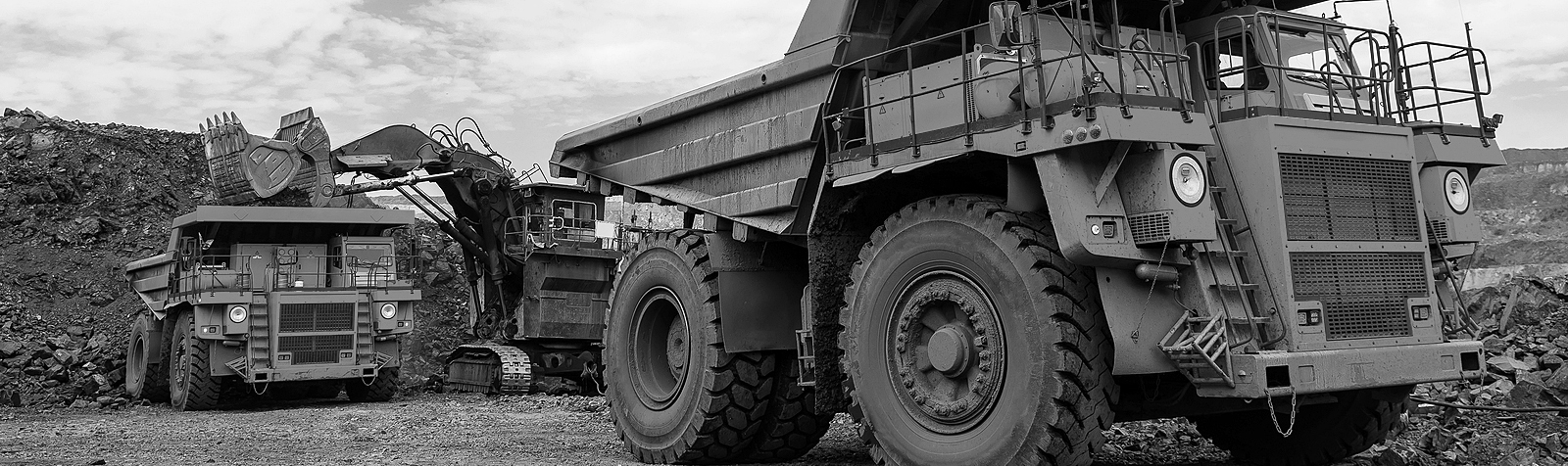
The company, which operates a large open-pit mine site, approached USC Consulting Group with an interest in addressing three significant operational issues:
No. 1: Ineffective heavy mobile equipment maintenance processes
The operation experienced significant downtime linked to an ineffective mobile maintenance process. Equipment operators and Maintenance personnel rarely followed formalized pre-service inspection protocols, which meant mission-critical mobile assets regularly suffered mechanical issues that reduced availability, impeded production, and increased cost per tonne.
Additionally, the organization did not leverage root cause analysis. Instead, stakeholders would convene ad hoc to discuss equipment failures and develop short-term potential solutions. This unstructured approach exacerbated issues regarding availability. Furthermore, Maintenance Supervisors were not communicating regularly with mechanics to assess the condition of equipment taken in for repair. Maintenance personnel worked with little oversight, and there were no metrics to assess shift performance. Processes to allow visibility to departmental effectiveness were ineffective.
No. 2: Poor mine-to-mill interface management
Compounding the mobile maintenance issues, the organization also suffered from serious deficiencies in its mine-to-mill interface. It functioned without an overarching investigatory framework for assessing and addressing mine-to-mill and processing plant challenges. For example, if the primary crusher ran out of ore, stakeholders would gather and hold an unstructured brainstorming session, during which participants would work without the aid of industry-standard problem-solving methodologies, such as failure mode and effects analysis (FMEA). Production Supervisors taking part in mine-to-mill interface operations often did not communicate with Maintenance Supervisors responsible for repairs, essentially losing insights on the condition of mission-critical equipment for significant periods of time.
No. 3: Nonexistent role-based operational targets and standards
The Management Operating System (MOS) did not maintain or monitor role-based performance targets. Dispatchers, Drill Operators, Grader Operators, etc., often worked without proper and specific target output metrics in mind. Some also used unauthorized processes. For instance, dispatchers and equipment operators often had different strategies and plans, creating operational inconsistencies. The lack of performance oversight left the organization unable to address this issue. It also prevented the company from conducting key operational analyses, such as not assessing the root causes of discrepancies between planned and actual work.


Conclusion
The organization saw significant and measurable operational performance improvements that translated directly to financial statements. Our client achieved 24% improvement over baseline tonnes ore processed (10% improvement over budget) during the project. The maintenance backlog dropped 40%, while fleet productivity increased by more than 18 percent.
This project, which unfolded over two consecutive 25-week periods, allowed this gold producer the performance boost it needed to bolster its bottom line and solidify its position as a low cost gold producer.
Businesses in the mining industry can achieve similar results by working with our seasoned consultants. Connect with USC Consulting Group today to learn more about our work and how our team can position your organization for success.
USCCG At Work:
Featured Client Results

A Gold Mine Digs Deeper to Sustain Continuous Improvements