-
Why USCCG

Why USCCG
We deliver measurable financial results. We work inside real production environments, not conference rooms, building stronger management operating systems that drive sustained output, cost control & accountability We combine rapid diagnostic work with hands-on implementation to improve how your operation plans, executes & follows up every day.
 Join a team that works shoulder-to-shoulder with operators and executives to solve real operational challenges on the ground.We’re Ready to ListenGot a business problem and want to kick around some ideas to solve it?
-
What We Improve
What We Improve
We improve output, reliability, quality, cost, and execution discipline. Our work strengthens the Management Operating System — the daily routines and controls that drive results. Every engagement delivers measurable financial impact. Prepare teams, systems & leadership routines to execute major outages, restarts & transitions with control.
 Reduce downtime & stabilize performance by improving planning, preventive maintenance & follow-up discipline.
 Improve material flow, inventory visibility, and supplier performance to reduce delays and strengthen operational continuity.
-
Industries
Industries
We work with production-driven organizations that make, move or maintain physical products. In complex operations, throughput, uptime & cost control directly impact financial performance. While industries differ, disciplined execution & strong management systems are universal. Improve throughput, equipment reliability & cost control in high-variability, asset-intensive environments.
 Increase output, stabilize processes & improve supervisory follow-up across discrete & process manufacturing.
 Accelerate value creation by stabilizing operations, improving EBITDA drivers & building sustainable leadership systems.
 Strengthen line performance, quality control & production scheduling in fast-moving consumer operations.
-
Insights
Insights
Our insights reflect decades of on-the-ground operational work. We share practical perspectives on management operating systems, execution discipline, reliability, and productivity improvement. Every article is rooted in real-world application, not theory.Featured insightStrategies for Meeting Increasing Customer DemandIf you have noticed or, in many cases, been run over by dramatically increasing customer demand for your products, you’re not alone.


-
Why USCCG
Why USCCG
We deliver measurable financial results. We work inside real production environments, not conference rooms, building stronger management operating systems that drive sustained output, cost control & accountability
We combine rapid diagnostic work with hands-on implementation to improve how your operation plans, executes & follows up every day.
Join a team that works shoulder-to-shoulder with operators and executives to solve real operational challenges on the ground.We’re Ready to ListenGot a business problem and want to kick around some ideas to solve it? -
What We Improve
What We Improve
We improve output, reliability, quality, cost, and execution discipline. Our work strengthens the Management Operating System — the daily routines and controls that drive results. Every engagement delivers measurable financial impact.
Prepare teams, systems & leadership routines to execute major outages, restarts & transitions with control.
Reduce downtime & stabilize performance by improving planning, preventive maintenance & follow-up discipline.
Improve material flow, inventory visibility, and supplier performance to reduce delays and strengthen operational continuity. -
Industries
Industries
We work with production-driven organizations that make, move or maintain physical products. In complex operations, throughput, uptime & cost control directly impact financial performance. While industries differ, disciplined execution & strong management systems are universal.
Improve throughput, equipment reliability & cost control in high-variability, asset-intensive environments.
Increase output, stabilize processes & improve supervisory follow-up across discrete & process manufacturing.
Accelerate value creation by stabilizing operations, improving EBITDA drivers & building sustainable leadership systems.
Strengthen line performance, quality control & production scheduling in fast-moving consumer operations. -
Insights
Insights
Our insights reflect decades of on-the-ground operational work. We share practical perspectives on management operating systems, execution discipline, reliability, and productivity improvement. Every article is rooted in real-world application, not theory.Featured insightStrategies for Meeting Increasing Customer DemandIf you have noticed or, in many cases, been run over by dramatically increasing customer demand for your products, you’re not alone.
The Client
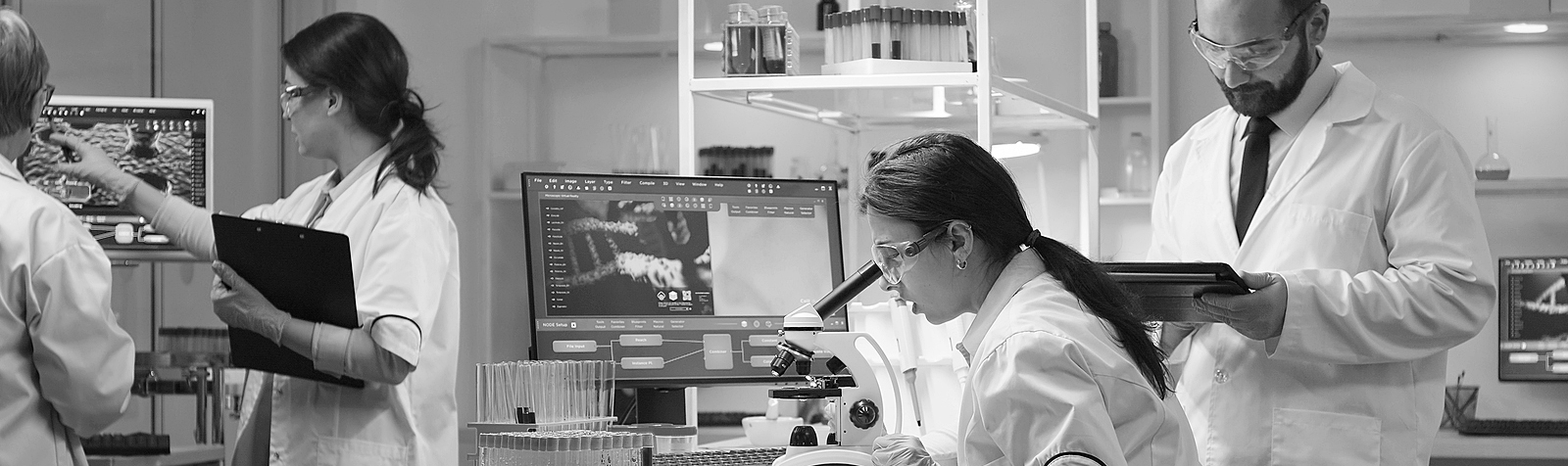
A federally funded research laboratory was charged with prototyping and fabricating elements that go into defense technology. This group of literal rocket scientists needed help improving their process in order to better compete against other world actors like China and Russia and a new threat, the emerging private sector.
The Challenge
This project was unlike anything USC has ever undertaken.
The beginning of the engagement, in true USC fashion, started with the “brown paper” exercise USC is famous for. That is, everyone gets into a room, brown paper goes up on the walls and the group outlines the client’s processes, everyone’s roles and responsibilities, and a preliminary view of the gaps and opportunities that exist in the organization. The idea was to create a roadmap to guide the process forward. However, the USC team encountered a few unique challenges along the way. Some specific challenges included:
Shared decision-making approach within the department. The client approaches leadership in a shared manner within a fairly flat organizational structure so as not to stifle innovation. Leadership pools replace singular, hierarchical decision-makers. When the buck doesn’t stop with anyone, it’s difficult to move forward if there’s no consensus … and there is rarely an easy consensus. This approach made it difficult for them to turn theoretical process concepts into the action it would take to fix it.
Budget allocation made interaction difficult. Because of the nature of how projects were funded, the client team members’ hours were attributed to specific programs they were working on. Without labeling USC’s work as a funded program, only a limited number of key contacts had time to spare for USC. The project pace slowed significantly as a result.
Internal politics created a roadblock. Consultants of all stripes can come up against resistance from people in the companies we’re brought in to help. That’s nothing new. In one of the processes USC was engaged to help improve, a resident “expert” was extremely threatened by USC’s presence and spent months attempting to undermine the work USC was conducting. This person was largely unsuccessful to that end but caused USC to spend a great deal of time repairing the reputation and internal relationships developed over those months.
The facility had restricted access. Because of the classified nature of the projects, the USC team did not have the clearance necessary to have free reign of the facility as they usually do to engage employees throughout the areas of work. The team required escorts everywhere they went or had them come to the non-classified part of the building to meet. Combined with nervousness around COVID, many of the interactions took place with people online (even though they might be in the next room).
Competition emerging as a burning platform. Because there is a guarantee for the client not to have to compete in its industry, it became hard to create the sense of urgency that spurs the desire for change. Eventually the USC team highlighted the fact that China and Russia were big competitors of this lab because of the presumption they can make the same components quicker and cheaper than we can in the U.S. Also, the private sector continues to emerge as a big competitor as well. USC’s challenge was in swaying the client’s team to be willing to acknowledge these growing competitors, thus creating the “burning platform” for improving their processes and implementing a number of changes in their operation.
The target kept moving. As consultants the daily work of avoiding scope creep is ever-existent. In this case the client team was composed of highly intelligent people who were relied upon to be creative and innovative. This led to thoughts running in several directions at once. When a target area was identified, there was a lot of: “What about this? Or that? Or the other thing?” instead of focusing on one thing and checking it off the list before moving to another.


Conclusion
Using USC’s tried-and-true processes, the team was able to convince this unique client to develop a program of change initiatives, establish the governance necessary to ensure the envisioned changes have appropriate sponsorship and support, and engage with organizational leaders to bring vision to reality. The USC team also distinguished themselves among a slew of prior consultants for this client. Other consultancies identify the problems, suggest solutions, and walk away. The USC approach has always been to work shoulder-to-shoulder with the client to make sure they are delighted and that change sticks, walking them through it, all the way.
USCCG At Work:
Featured Client Results
Getting The Right Chemical in the Right Place at the Right Time