-
Why USCCG

Why USCCG
We deliver measurable financial results. We work inside real production environments, not conference rooms, building stronger management operating systems that drive sustained output, cost control & accountability We combine rapid diagnostic work with hands-on implementation to improve how your operation plans, executes & follows up every day.
 Join a team that works shoulder-to-shoulder with operators and executives to solve real operational challenges on the ground.We’re Ready to ListenGot a business problem and want to kick around some ideas to solve it?
-
What We Improve
What We Improve
We improve output, reliability, quality, cost, and execution discipline. Our work strengthens the Management Operating System — the daily routines and controls that drive results. Every engagement delivers measurable financial impact. Prepare teams, systems & leadership routines to execute major outages, restarts & transitions with control.
 Reduce downtime & stabilize performance by improving planning, preventive maintenance & follow-up discipline.
 Improve material flow, inventory visibility, and supplier performance to reduce delays and strengthen operational continuity.
-
Industries
Industries
We work with production-driven organizations that make, move or maintain physical products. In complex operations, throughput, uptime & cost control directly impact financial performance. While industries differ, disciplined execution & strong management systems are universal. Improve throughput, equipment reliability & cost control in high-variability, asset-intensive environments.
 Increase output, stabilize processes & improve supervisory follow-up across discrete & process manufacturing.
 Accelerate value creation by stabilizing operations, improving EBITDA drivers & building sustainable leadership systems.
 Strengthen line performance, quality control & production scheduling in fast-moving consumer operations.
-
Insights
Insights
Our insights reflect decades of on-the-ground operational work. We share practical perspectives on management operating systems, execution discipline, reliability, and productivity improvement. Every article is rooted in real-world application, not theory.Featured insightStrategies for Meeting Increasing Customer DemandIf you have noticed or, in many cases, been run over by dramatically increasing customer demand for your products, you’re not alone.


-
Why USCCG
Why USCCG
We deliver measurable financial results. We work inside real production environments, not conference rooms, building stronger management operating systems that drive sustained output, cost control & accountability
We combine rapid diagnostic work with hands-on implementation to improve how your operation plans, executes & follows up every day.
Join a team that works shoulder-to-shoulder with operators and executives to solve real operational challenges on the ground.We’re Ready to ListenGot a business problem and want to kick around some ideas to solve it? -
What We Improve
What We Improve
We improve output, reliability, quality, cost, and execution discipline. Our work strengthens the Management Operating System — the daily routines and controls that drive results. Every engagement delivers measurable financial impact.
Prepare teams, systems & leadership routines to execute major outages, restarts & transitions with control.
Reduce downtime & stabilize performance by improving planning, preventive maintenance & follow-up discipline.
Improve material flow, inventory visibility, and supplier performance to reduce delays and strengthen operational continuity. -
Industries
Industries
We work with production-driven organizations that make, move or maintain physical products. In complex operations, throughput, uptime & cost control directly impact financial performance. While industries differ, disciplined execution & strong management systems are universal.
Improve throughput, equipment reliability & cost control in high-variability, asset-intensive environments.
Increase output, stabilize processes & improve supervisory follow-up across discrete & process manufacturing.
Accelerate value creation by stabilizing operations, improving EBITDA drivers & building sustainable leadership systems.
Strengthen line performance, quality control & production scheduling in fast-moving consumer operations. -
Insights
Insights
Our insights reflect decades of on-the-ground operational work. We share practical perspectives on management operating systems, execution discipline, reliability, and productivity improvement. Every article is rooted in real-world application, not theory.Featured insightStrategies for Meeting Increasing Customer DemandIf you have noticed or, in many cases, been run over by dramatically increasing customer demand for your products, you’re not alone.
The Client
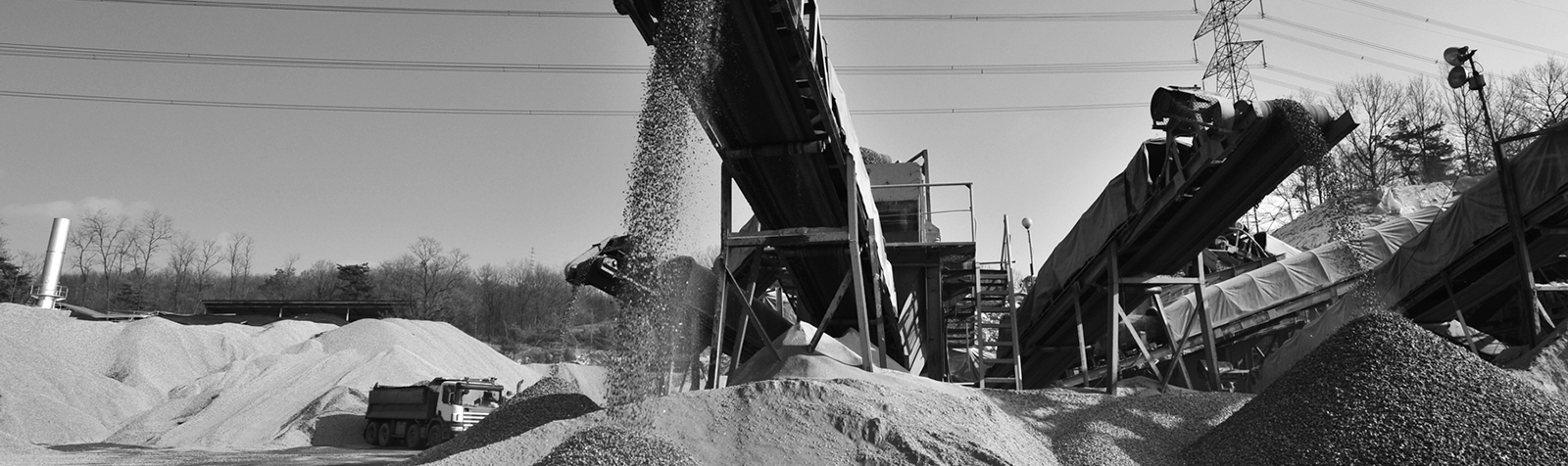
A supplier of aggregates and heavy building materials with multiple plant locations across several states.
The Challenge
The client was implementing a new approach to link their sales forecasting and production planning processes. They needed to optimize their plants across the region in order to ensure they were making the right decisions around production and sales to drive value for the company as a whole. They were struggling to demonstrate value with this new approach to planning, and not seeing the intended benefits of having a fully integrated planning process. Additionally, they were not taking full advantage of reviewing their previous performance against the plan in a way to allow them to make changes to their future plans to increase accuracy.
Planning software transition. Historically the client relied on Excel spreadsheets, word-of-mouth and their own customized planning software solution(s) to tie together plans for the following year. When we began, they were in the process of rolling those plans into a semi-customized software solution, which used the production capabilities of each plant to adjust monthly production to match planned demand.
Data timeliness. At the beginning of each month, the client would begin their planning for the following month, using the information from the previous month’s plan. They would then take most of the month to plan for the next month. This caused the new plan to be based upon data that was over a month old when the new plan was finalized. Having such a gap caused the plan to be inherently less accurate than it could be.
Data uniformity. Despite similar processes and equipment at each location, the plants used different methods to calculate their efficiencies and capacities — there was no consistency; no single source of the truth. The customized software solution being implemented was receiving inconsistent inputs that drove flawed production plans. Since the plans were flawed, each plant was adjusting the parameters for their production to match what they were expecting to produce, NOT what they were able to produce based on their plant setups in the software. This caused a disconnect between the sales and inventory considerations and the operations plan.
Planning focus. Key stakeholders were focused on building the “perfect” 24-month plan, causing the planning process to be more time and effort intensive than necessary. Since the plan was a guide for mid-term strategic decision-making and only needed to be fully accurate for the first quarter, the hours of iterations being invested to solve every issue identified in the full 24 months were not providing the intended benefit. This was exacerbated by the fact that the plan changed every month in response to the results of the previous months, which caused a never-ending cycle of iterations and “solving” the same problems month after month.
COVID-19. Since the project kicked off during mid-2020, the protocols and precautions necessary to address health concerns prevented the project team from full in-person engagement with the client. Not everyone from the client or our project team was able to be onsite.


Conclusion
Project Deliverables.
1. Worked collaboratively with the client to:
- Define ownership, roles and responsibilities of the organization to support the SIOP process
- Define the appropriate strategies to support the business goal and objectives
- Finalize the input and outputs for the SIOP and “analysis of scenarios” to support business goals and objectives
- Define the process to deliver the SIOP on a routine basis for the business based on agreed upon SIOP calendar
- Define the tools, metrics and reports for SIOP process including output to the BU and the tracking of “actionable items” as a result of the SIOP process
2. Worked with the key sales team stakeholders to help implement more robust sales forecasting inputs to the SIOP model.
3. Developed a hierarchy of key performance indicators, at all levels of management, with reports that highlight the areas of focus within the plan versus actual. Support with BI dashboards which will improve accuracy and timeliness of information being reported for decision-making.
4. Developed and implemented an audit process ensuring:
- Perpetuation of the improved practices and procedures
- The SIOP is self-reporting on process failures or the need for current process modification
Sales, demand and inventory. The new calendar successfully re-focused the stakeholders’ time. Additionally, we were able to work with the sales and demand planners to ensure that they were able to utilize past performance to guide their future plans.
Long- and short-range plans. Splitting the focus between the 3-month timeframe and the rest of the plan enabled more acceptance of the plan and better use of the insights that the plan was able to provide. Since the plants would be held accountable for what was in the next 3 months, getting the details right was paramount. The longer range plan could then be utilized to identify issues that would need to be addressed in the future. Those issues would then be assigned to the appropriate departments, which could spend the appropriate amount of time identifying solutions.
USCCG At Work:
Featured Client Results

Underground Mine Turns MOS Data Into Gold