
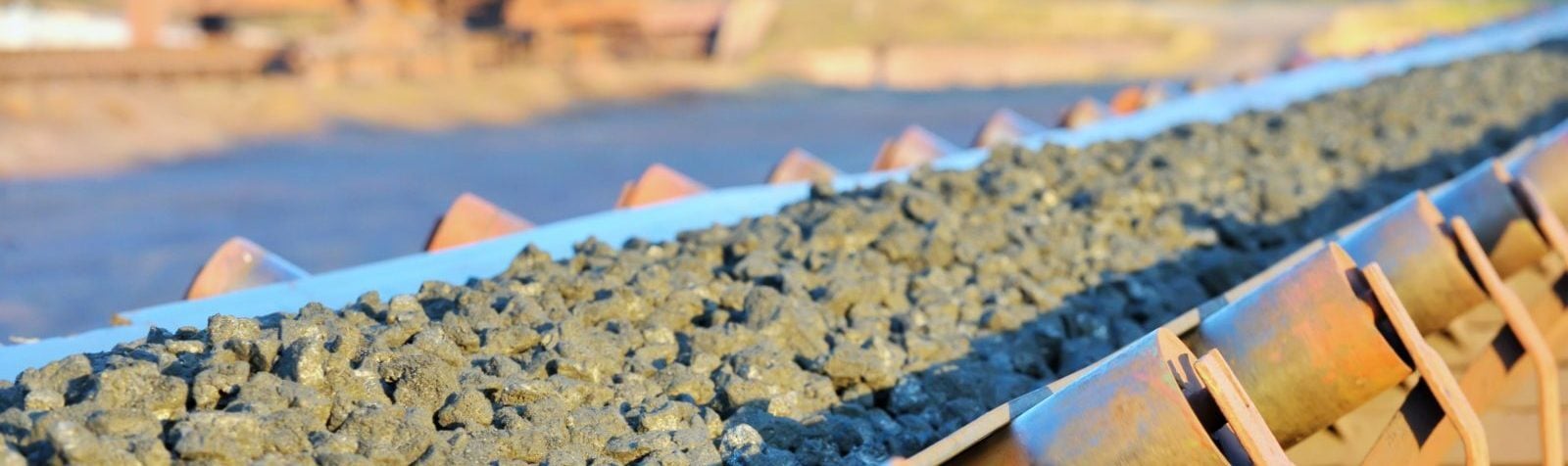
The mine-to-mill interface is perhaps the most important production variable in an open-pit ore extraction operation. Here, miners and refiners meet, as massive amounts of powdered sediment smashed in mills stationed near the pit move into chemically controlled circuits designed to separate ore from waste. This refined mixture, called concentrate, is then shuttled to smelters who collect the recovery. This process, which unfolds continuously 24 hours per day, 365 days per year, involves hundreds of tons of rock and requires coordination among numerous managers and on-the-ground workers who strive to maintain a delicate production balance so as to mitigate waste and hit preconfigured recovery targets.
However, few mines have mastered mine-to-mill interface management, as the current recovery average sits somewhere between 50 percent and 60 percent, according to the Massachusetts Institute of Technology. This data point alone shows that open-pit operations have the opportunity to make serious production gains. Mine-to-mill optimization is the key here, but many struggle to get the most out of their operations due to two central problems:

Inability to maintain full tonnage
Ideally, an open pit mine should be feeding the mill at all times. This can be achieved by continually excavating fresh rock and successfully sending the sediment through onsite crushers. In addition to maintaining ever-moving excavation operations, most open-pit mines build stockpiles they can switch to in the event that a catastrophic stoppage occurs. Even with these industry-standard strategies in place, many firms fail to send enough rock to their mills, resulting in depressed production and missed recovery targets.
Open-pit mines that can develop reliable excavation workflows capable of shuttling the optimal amount of rock to the mill increase their productivity, allowing them to not only meet existing recovery targets with ease but also establish new, more aggressive objectives in search of higher revenue.
Improper sedimentary head grades
The chemical-infused circuits at the center of mill operations are adjusted to accept rock with particular head grades. Consequently, when powdered sediment of the correct grade enters these channels, the chemical slurries contained within can grasp a good amount of ore within the range of recovery targets and leave only unusable waste behind. However, when rock of the incorrect grade enters circuits, valuable ore quite literally slips through the cracks and winds up mixed into deposits of waste rock, never to be seen again. Unfortunately, the latter scenario unfolds at many open-pit mines as a result of crushing errors.
More closely managing head grade requirements can improve this component of the mine-to-mill interface and lay the groundwork for organizations' growth while adding few extra costs.
Modern open-pit operations cannot afford to make the aforementioned errors by relying on deficient mine-to-mill interfaces. Here at USC Consulting Group, we've been working with mining companies for 50 years, using hard-earned experience and technical expertise to help firms get the most out of their workflows. Miners interested in improving their mine-to-mill interfaces or addressing other production roadblocks should contact us today.