
Case study · Mining & Metals
Iron ore miner gains $260M in productivity through better drilling and blasting
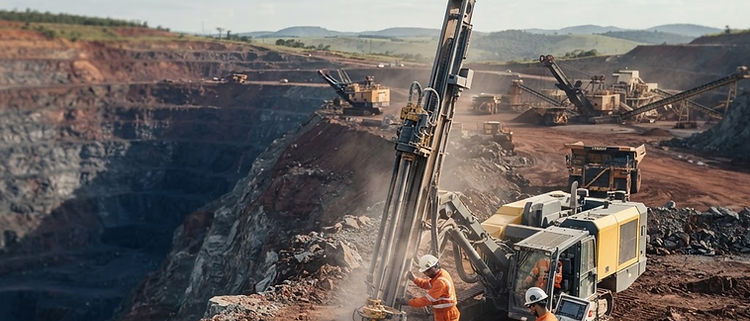
A major Brazilian iron ore company faced blasting limits near structures, poor fragmentation and manual, non-standard practices that held back crushing. USC built vibration models, tied geology to blast planning and added real-time blast monitoring.
Results
$260M
in productivity gains in mining and crushing
17%
increase in productivity
The gains came from better fragmentation feeding the crushers.
The situation
Crushing productivity at the operation was falling short of what the mine could deliver.
What the assessment found
- Blasting limited near structures
- Poor fragmentation
- Non-standard drilling and blasting practices
- Manual planning and monitoring
How the work was done
Vibration: model the limits
Built vibration models by region, structure and rock type.
Geology: plan blasts with it
Integrated geological data into blast planning.
Monitoring: watch every blast
Added blast simulation and video analytics for real-time monitoring.
17%
increase in productivity
Lasting impact
Better fragmentation lifted crushing productivity across the operation.
Related case studies
Mining & Metals
South American gold mine realizes $1.2M+ a year with employee-led improvement
$1.2M+in annual savings realized
Read the case study →Mining & Metals
Specialty alloy maker adds $1.7M to gross margin and lifts equipment effectiveness 11%
$1.7Madded to gross margin
Read the case study →Mining & Metals
Steel mill delivers $35M in improvements with a new casting strategy
$35Min implemented improvements
Read the case study →