
Case study · Mining & Metals
Gold miner's highest-cost site becomes its lowest-cost, with a 9.7:1 return
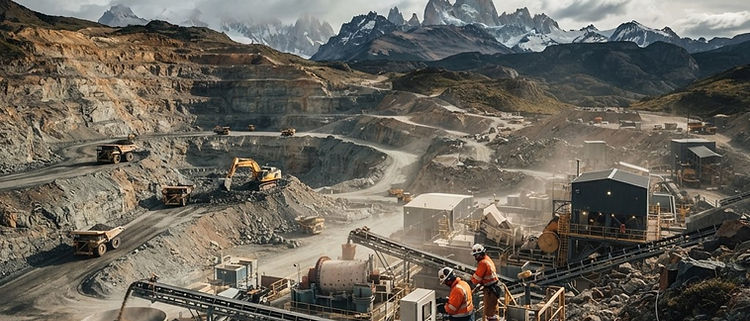
A South Africa-based gold miner's multi-pit operation in Southern Patagonia had the highest cost per ounce in its group. USC worked shift by shift with mill crews to stabilize milling and recovery and build a maintenance operating system.
Results
9.7:1
return on investment
72%
reduction in daily mill downtime hours
5.4%
increase in gold recovery
Silver recovery rose 12%.
The situation
Of all the group's operations, this one cost the most to produce an ounce of gold, and the losses showed at the mill, where milling and recovery were unstable.
What the assessment found
- No effective maintenance operating system at the mill
- Operating parameters not defined
- Preventive maintenance and recovery below potential
How the work was done
Variability: find the causes
Ran USC's Employee Involvement Prototype, a shift-by-shift trial of changes with the crews who do the work, to find the root causes of variability.
Roles: coordinate the crews
Refined cross-functional roles and coordination between operations and maintenance.
72%
reduction in daily mill downtime hours
Mill: stabilize recovery
Stabilized milling and recovery with defined parameters and better preventive maintenance.
5.4%
increase in gold recovery
Lasting impact
The site went from the group's highest cost per ounce to its lowest.
Related case studies
Mining & Metals
South American gold mine realizes $1.2M+ a year with employee-led improvement
$1.2M+in annual savings realized
Read the case study →Mining & Metals
Specialty alloy maker adds $1.7M to gross margin and lifts equipment effectiveness 11%
$1.7Madded to gross margin
Read the case study →Mining & Metals
Steel mill delivers $35M in improvements with a new casting strategy
$35Min implemented improvements
Read the case study →